There’s something magical about fall. The leaves are changing, the mornings are crisp, and the scent of pumpkin spice is everywhere. But if you’re a teacher, you know October brings more than cozy sweaters and apple cider. It also brings squirrely students who can’t stop talking about costumes, candy, and hayrides.
The tricky part is finding ways to enjoy the season while keeping lessons on track. The good news? You don’t have to choose between cozy fall vibes and strong academics. Here are five ways to keep the balance.
🍁 1. Transform Morning Routines Into Seasonal Spark
By October, your students have morning routines down. But let’s be honest—they’re starting to feel stale. That worksheet they’ve seen a hundred times? Snooze. Luckily, a few fall twists can breathe new life into your mornings.
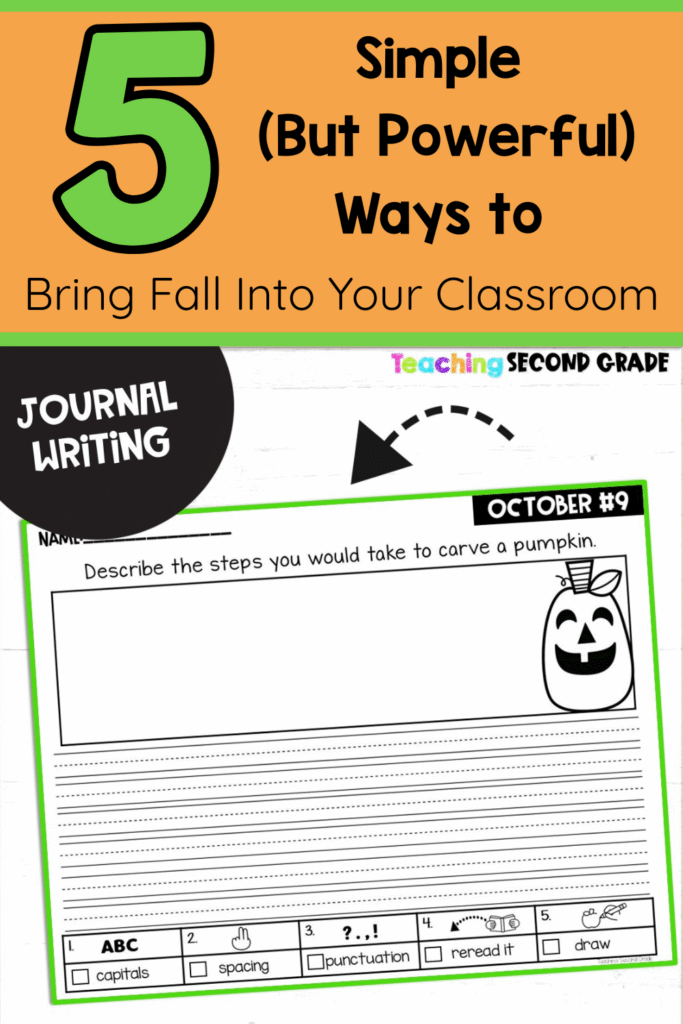
✨ Seasonal Journals
Instead of a generic “What did you do this weekend?” journal prompt, try one of these fall-themed options:
- “What would happen if your pumpkin came alive?”
- “Would you rather jump in a pile of leaves or carve a pumpkin? Why?”
- “Describe the coziest fall day you can imagine.”
These not only spark excitement but also encourage descriptive writing and critical thinking.
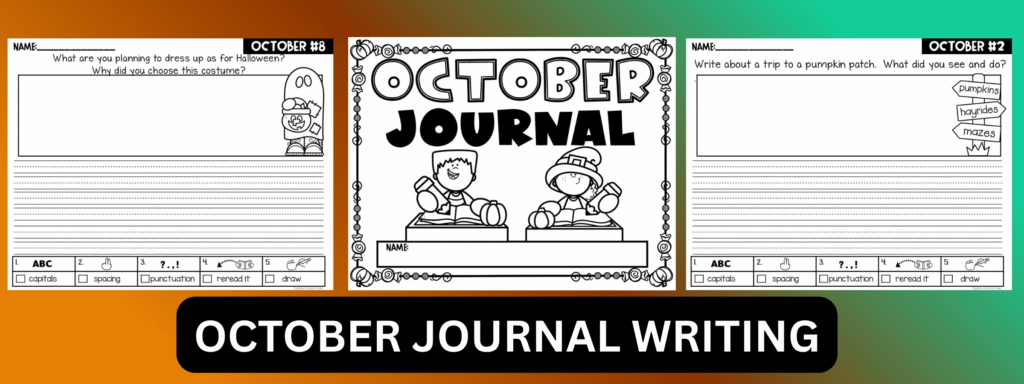
👉 Ready-to-Use Journals: If you’d like seasonal prompts already planned for you, my October Writing Journals are filled with engaging ideas that get kids writing every day.
✨ Fall Brain Teasers
Swap out regular warm-ups with riddles, word scrambles, or math puzzles featuring pumpkins, apples, or bats. Example:
- “I’m orange and round, and I sit on the ground. What am I?”
- “Mia picked 12 apples. She ate 3 and gave 2 to her friend. How many are left?”
✨ Seasonal Greeters
Add a fun ritual at the door: “Pumpkin High-Fives,” “Scarecrow Salutes,” or “Apple Air-Fists.” It’s a small, silly thing, but it starts the day with a smile.
👉 Why it works: Morning routines stay the same structurally (predictability = calm classroom), but the seasonal flair makes them feel fresh and exciting.
🎃 2. Use Read-Alouds as Your Fall Anchor
There’s no easier way to set the seasonal mood and hit academic standards than with fall-themed read-alouds. The best part? These books often lend themselves to deep discussions and cross-curricular connections.
✨ Go-To Fall Favorites
- Room on the Broom by Julia Donaldson → Teaches sequencing, rhyming, and teamwork.
- Pumpkin Jack by Will Hubbell → Perfect for science tie-ins (life cycle of plants).
- The Little Old Lady Who Was Not Afraid of Anything by Linda Williams → Great for practicing cause and effect.
✨ Extend the Story
Don’t stop at reading. Use these books as jumping-off points:
- After Room on the Broom, have students invent a new character who wants to join the witch.
- After Pumpkin Jack, let students journal about what might happen if their jack-o’-lantern was left outside all year.
- After The Little Old Lady, challenge students to create a new “scary” item and act it out as a class.
👉 Why it works: Read-alouds build literacy, vocabulary, and listening skills while letting kids immerse themselves in seasonal magic.
🍎 3. Layer Seasonal Math Into Everyday Practice
Math practice can get repetitive fast—but fall offers endless opportunities to spice it up. Best of all, you don’t have to reinvent the wheel. Just add seasonal flair to the same skills you already teach.
✨ Pumpkin Word Problems
Here are a few examples you can use tomorrow:
- “Liam picked 6 pumpkins. His sister picked 4 more. How many pumpkins do they have?”
- “A scarecrow has 2 hats. If he buys 3 more, how many hats will he have?”
- “Emma had 15 apples. She baked 6 into a pie. How many apples are left?”
✨ Graphing and Data
Grab a bag of candy corn or mini pumpkins. Have students:
- Sort by color or size.
- Create a tally chart.
- Build a bar graph or pictograph of their findings.
✨ Place Value Pumpkins
Write numbers on pumpkin cutouts and post them around the room. Have students:
- Match them to expanded form.
- Write them in word form.
- Build them with base-ten blocks.
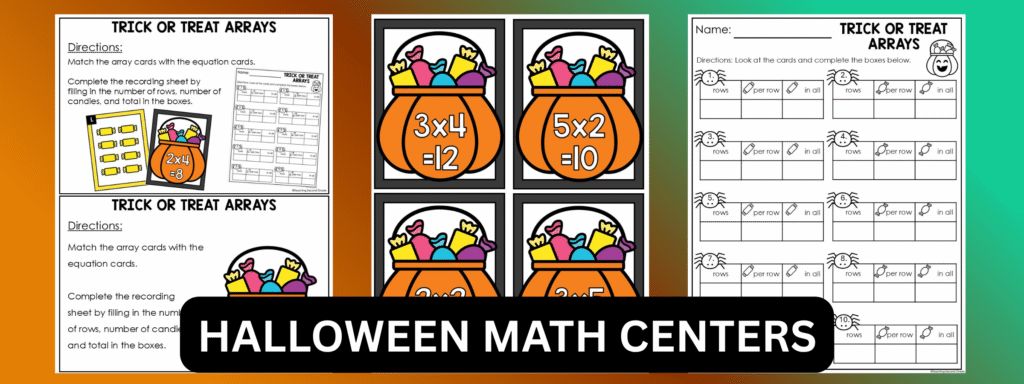
👉 Ready-to-Use Centers: My October Centers give you math and literacy activities with all the seasonal fun—no prep required. They’re perfect for keeping students learning while staying engaged.
👉 Why it works: Math is still standards-based, but the seasonal context adds novelty. Kids are more motivated to practice skills when pumpkins and apples are involved.
🍂 4. Decorate With Purpose, Not Just Pretty
It’s tempting to go all-out with fall decorations. But remember—decor should work for you, not against you. Instead of cluttering your walls with pumpkins and scarecrows, let them support instruction.
✨ Interactive Word Wall
Add seasonal words like harvest, acorn, crisp, or hayride. Challenge students to use them in writing or conversations.
✨ Anchor Charts With Flair
Take your usual reading or math anchor charts and frame them with leaves, pumpkins, or apple borders. It’s festive, but also academic.
✨ Student-Created Decor
Let students create their own fall artwork—leaf rubbings, scarecrow crafts, or pumpkin glyphs. Use these to fill bulletin boards. Students feel pride, and your room feels alive with their work.
👉 Why it works: Purposeful decor keeps the room festive while doubling as teaching tools.
🍎 5. Take Learning Outdoors Before Winter Hits
Fall is the perfect season for outdoor learning—before winter makes it tricky. Fresh air resets student focus and makes lessons feel new.
✨ Science Walks
Take a quick 10-minute walk and collect leaves, acorns, or pinecones. Sort them by color, size, or type. Graph the results back in class.
✨ Outdoor Journals
Have students sit quietly and write:
- “What do you see, hear, and smell right now?”
- “How does the air feel today compared to yesterday?”
- “Describe one tree as if it were a character in a story.”
✨ Reading Circles
Move your read-aloud outdoors for the day. Simply changing the location makes it feel like a field trip—even if you’re just on the playground.
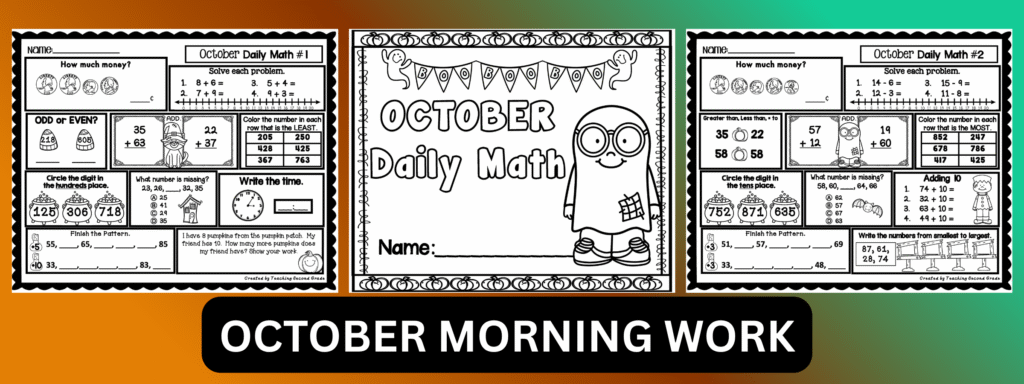
👉 Ready-to-Use Morning Work: My October Morning Work gives you daily spiral review pages that are already sprinkled with seasonal themes. Perfect for keeping students on track while you sneak in cozy fall fun.
👉 Why it works: Outdoor learning burns off wiggles and re-energizes students. A short 15-minute lesson outside can make the rest of your day smoother.
Keep the Fun Without Losing the Focus
Fall doesn’t have to throw off your classroom routines. By adding seasonal touches to your mornings, choosing purposeful read-alouds, weaving fall into math, decorating with intention, and sneaking in outdoor learning, you’ll capture the excitement of October while keeping lessons on track.
🍁 Teacher Tip: Want These Ideas Done For You?
Save yourself hours of prep this fall with my ready-to-use resources:
- October Morning Work → spiral review with a festive twist.
- October Writing Journals → fun seasonal prompts that get kids writing every day.
- October Centers → engaging math and literacy practice that keeps students learning (and loving it).
You can find them all in my Teaching Second Grade store. Seasonal fun and standards-based learning? That’s a win-win.